Consumers Behavior
 |


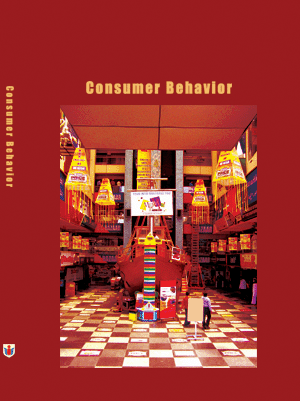
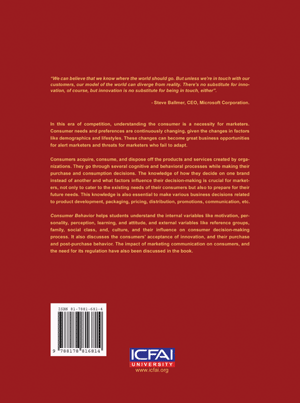
Details
Chapter Code: CBC14
Textbook:
210 X 275 mm approx.
Short Case Studies
Detail Table of Contents
Workbook:
Pages : 304; Paperback;
210 X 275 mm approx
Pricing
Textbook Price: Rs. 750;
Workbook Price: Rs. 700;
Shipping & Handling Charges: Rs. 50 per book;
Books Available only in INDIA
Chapter Price : Rs. 100
To download this chapter in electronic format, click on the button below,
and select the chapter from the list of available chapters.

Buy Now
To order the entire book click on the button below, and select the book from
the list of available books:
Please allow 5 to 10 days for delivery of the
Book.

Consumer Behavior : Chapter 14
SUMMARY:
Retailing, i.e., selling goods to final consumers, includes both store-based (brick & mortar) and non-store-based retailing (e-tailing, direct selling, catalog selling, TV selling). In India, store-based selling is still highly entrenched, while non-store based selling is at a nascent stage. |
|
Consumers' retail store selection behavior depends on - store image (merchandise assortment, price positioning, store layout, credit policies, atmosphere, service as well as sense of belonging, friendliness, etc.); retailer brands (help them improve their image in the eyes of its target consumers as it gives them exclusivity); retail advertising and promotions (used to attract people to visit the store); and store location (close proximity to their target consumers' preferred areas).
Outlet selection by consumers depends on - perceived risk (social, quality, psychological, physical, time & effort, and financial risk) and shopping orientations (the style and motivation of the shoppers).
Consumers often get influenced by the in-store atmosphere, which may result in more or less than intended shopping. It can also influence the choice of brands in the store. The in-store atmosphere includes
- in-store displays (in-store signage, packaging, on and off shelf displays, etc.); markdowns and price promotions (price discounts,
'buy one, get one free', etc.); store atmosphere (music, lighting, level of cleanliness, temperature, scent, crowding, behavior of sales persons, space, store-layout); stock-outs (shoppers may buy competing brand, go to another store, postpone the purchase or completely drop it); sales staff (enhance shopping experience); and final transaction (purchase or rent).
Related Case Books:-
 Case Studies in Consumer Behavior
323 pages, Paperback,
Available only in INDIA

Related Textbook:-
 Marketing Communications Textbook
210 X 275 mm approx,
Price: Rs. 750;
Available only in INDIA
